While purchasing power remains a key concern for employees, the Travailler autrement Foundation sought to move beyond the usual divisions between employers and employees by bringing their perspectives on compensation together. In this interview, Patrick Levy-Waitz, president of the Travailler autrement Foundation, discusses the findings of a study conducted with Ifop, which highlights employees’ high expectations, the measures implemented by companies, and the persistent inequalities based on the size of organizations.
Patrick Levy-Waitz, President of the Travailler Autrement Foundation
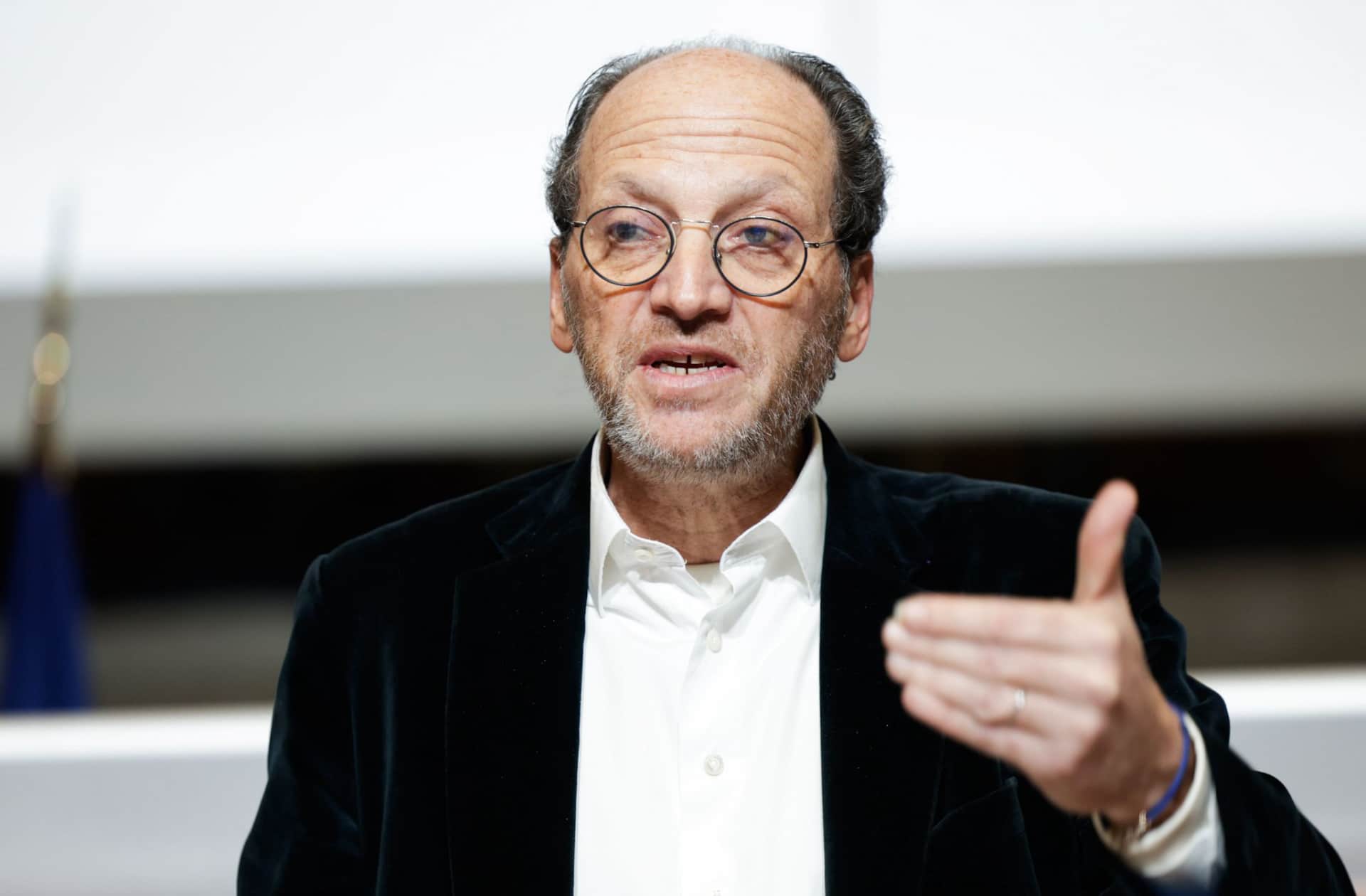
Question 1: The Travailler autrement Foundation wanted to compare the perspectives of employees and employers on compensation. What did you feel was missing, up to this point, from the public debate on this topic?
Since 2024, the Travailler autrement Foundation has been studying purchasing power issues that are essential to the daily lives of our fellow citizens. Through our discussions with business representatives and our interactions across the country, we’ve observed growing pressure stemming from rising fixed expenses (housing, transportation, food, etc.). I’ll let you imagine just how prominent this issue has become in today’s context!
But as we’ve looked into this, what has struck us most about the public debate is, first and foremost, its highly binary nature. On the one hand, there is criticism of certain employees who want shorter work hours and those who would like to earn more without working harder; on the other hand, companies reluctant to share value are under attack. It is precisely to move beyond this oversimplified view that we launched a parallel survey of employees and employers. It reveals, on the contrary, a more nuanced reality, with companies implementing numerous measures to improve total compensation, and a majority of employees willing to work more to increase their income. We wanted to highlight best practices and innovative solutions from organizations, which are too rarely discussed in the public debate—a debate that still often focuses on shortcomings and challenges.
More broadly, we wanted to understand what employees consider to be “fair” compensation—that is, compensation that takes into account their experience, skills, and productivity, and which, as a result, allows them to provide for themselves and their families. The aim was to analyze differences in responses between managers and non-managers, large and small organizations, women and men… Because this is a highly subjective concept: a CFO in Paris will not give the same answer as a construction worker in Pas-de-Calais.
“It is often the lowest-paid employees who also have the least access to the compensation and economic protection measures offered by companies.”
Patrick Levy-Waitz
President of the Travailler Autrement Foundation
Question 2: The study shows that an increase in total compensation is by far the top priority among the incentives employees expect. How can companies address this priority without reducing the issue to a mere budgetary calculation?
The study does indeed send a very clear message to companies: total compensation is the top priority for 67% of employees, far ahead of fringe benefits, work-life balance, and career advancement opportunities. Companies must therefore heed this message and understand that this is not merely a budgetary equation: it is a matter of quality of life, job satisfaction, and thus employee performance and retention.
This is not merely a call to work longer hours to increase pay (in a context where some are proposing to monetize the fifth week of vacation). And the solution cannot be limited to increasing net pay, as we know that not all companies have the capacity to do so. This is why it is essential to open a dialogue with labor and management representatives to develop solutions tailored to each company’s economic reality. The study shows that there is an urgent need to assess the effectiveness of the measures currently in place: while 41% of the companies surveyed believe that the 13th-month bonus is effective in retaining employees, only 23% of those that have implemented it share this view. We must ask those most directly affected what they value most: beyond a net pay raise, employees prioritize, for example, greater work flexibility to improve their quality of life, ahead of other benefits such as profit-sharing, employee stock ownership plans, vacation vouchers, and concierge services…
However, even before revising their compensation policies, companies must make them clearer and more transparent: many employees do not fully understand all the benefits to which they are entitled. This simplification is all the more necessary given that HR teams are already under pressure due to the significant administrative and tax complexity surrounding these issues.
Question 3: The study highlights a significant divide between SMEs and large companies, particularly in terms of salary levels and access to benefits. In this context, can we say that there is currently a genuine issue of equity among employees based on the size of their company?
For me, this is one of the study’s key findings: there is indeed a serious issue of equity among employees. The disparity is primarily in wages and is particularly significant: workers at companies with fewer than 20 employees earn, on average, 35% less than those at companies with more than 1,000 employees—a difference of €700 net per month, even before taking bonuses and benefits into account. This massive divide is not limited to wages: 89% of employees at large corporations report receiving additional benefits, compared to only 60% at smaller companies.
The paradox is therefore striking, since it is often the lowest-paid employees who also have the least access to the compensation and economic protection mechanisms offered by companies. This creates an unsustainable disconnect.
In light of this, we call on public authorities: it is necessary to ensure a certain level of economic stability for organizations to encourage them to strengthen their support systems, and to prevent social progress from occurring solely within large corporations. Hence the importance, here as well, of strengthening dialogue among all stakeholders to develop more coherent responses tailored to the economic realities of each company, and thereby bridge this divide.