
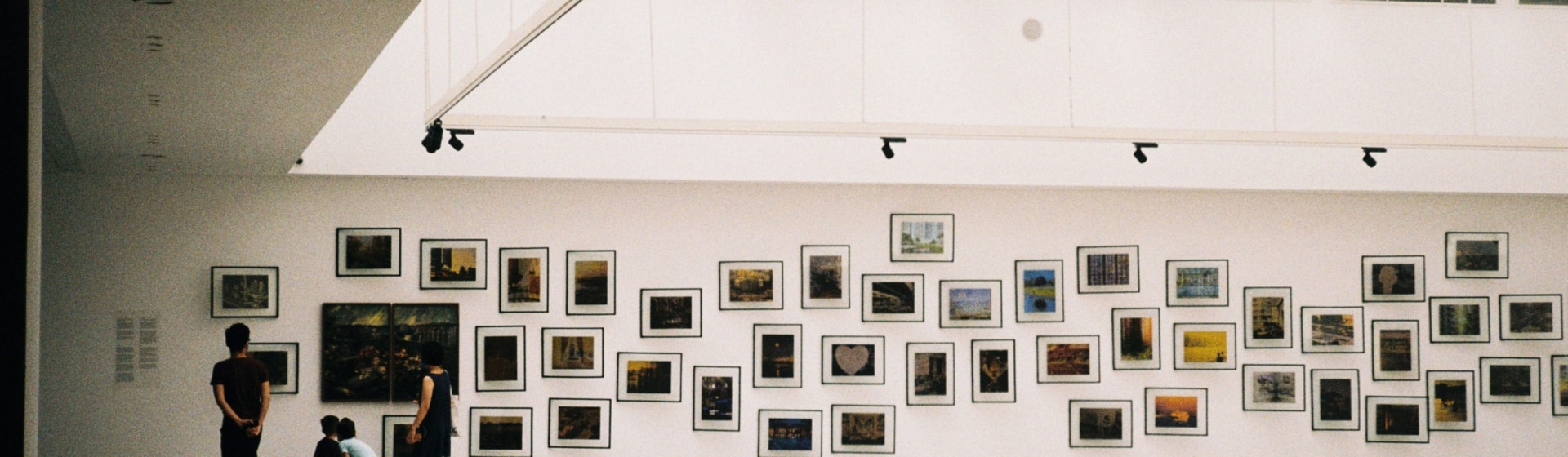
From Niépce to artificial intelligence, two centuries of innovation have transformed our relationship with images.
To mark the bicentennial of photography,the 11th edition of the Photo & Video Barometer, conducted by Sociovision (Ifop Group) for the Photo & Video Fair and the French Alliance for Digital Industries (AFNUM), explores what is changing in practices… and what endures.
A long-term perspective, thanks to a longitudinal study that has been ongoing since 2015.
The results of this edition will be presented at the 2026 Photo & Video Fair, to be held October 8–11 at the Grande Halle de la Villette in Paris, in the year marking the bicentennial of photography.
Photography is becoming an ever-greater part of our lives: 60% of photographers now take photos daily— 5 percentagepoints more than in 2025 and 21 percentage points more than in 2015. Two centuries after its invention, it thus continues to play a central role in everyday life.
Its functions, too, are evolving. Photography remains first and foremost a way to preserve memories, but it has also become a true social language: 56% of photographers now post photos to stay connected with their friends and family—20 percentage points more than in 2015. And nine out of ten people who take photos now post photos or videos on social media.
From a record of reality, the image has become a way to tell stories, share experiences, and express oneself.
This visual culture is also increasingly defined by motion. 37% of users now film every day, up 5 points in one year and 22 points since 2018. Among young people, this shift is particularly pronounced: 69% of 15- to 29-year-olds now consider video more suitable than photos for capturing an important moment. Photos and videos are thus increasingly complementing each other to document everyday life.
Artificial intelligence is also ushering in a new era: 61% of users already use AI tools in their photography or videography. But this adoption comes with a strong demand for transparency: 70% want a label created to identify content that has not been created or modified by AI. The more creative tools evolve, the more important the question of image authenticity becomes.
This bicentennial year also reflects a renewed desire for the techniques of the past.48% of photographers today want to take photos on film—7percentage points more than in 2025—while 69% believe that nothing can replace a printed photo. Innovation marches on, without erasing our attachment to objects, to the art of photography, and to the physical nature of the medium.
Two hundred years after its invention, photography has never been more vibrant: it is evolving in formats, technologies, and functions, all while continuing to blend heritage and innovation.